- Home Page
- Company Profile
-
Our Products
- LPG/LNG Level Gauge
- Rochester Level Gauges with Local and Remote Readout
- Dip Rod type LPG Level Gauge
- Servo Level Gauges with Local and Remote Readouts
- Radar Level Gauges with Local and Remote Readouts
- Rochester Level Transmitter
- DP Level Gauges
- Magnetic Level Gauges Dip Rod type LPG Level Gauge
- Radar Gauge
- Roto Gauges
- Safety Relief Valves
- LPG Cylinders Valves
- Industrial Valves
- Pressure Transmitters
- Excess Flow Check Valves
- Coupling
- Level Gauges
- Portable LPG Tank Safety Fittings
- Auto LPG Dispensing Stations
- Pressure Relief Valves with Kalrez Seat
- Sight Flow Glass Indicators
- LNG Valves and Safety Fitting
- Cryogenic Valves
- Right Angle Relief Valves
- Short Stem Cryogenic Valves
- REGO RG Series Cryogenic Pressure Builder or Regulator
- ECL502 Series Cryogenic Economizer
- Cryogenic Valves
- Rego Relief Nozzle
- Rego MQD100 Series Cryogenic Valve
- REGO Heavy-Duty Gas Line Regulator 1780 Series
- Rego Extended Stem Retrofit Kits
- Interested in this product? Get Best Quote Rego ES8450 And TES8450 Series Extended Stem Valves, BK9450 And BK9470 Series Extended Bonnet Valves
- REGO Cryogenic Gas Relief Valves, Non-ASME 9400 Series
- REGO Cryogenic Gas Relief Valve , ASME PRV194630 And PRV29430 Series
- REGO Bulk Vessel Safety ASSE
- REGO 1784NG Gas Phase Regulator
- REGO Cryogenic 1/2" Pressure Builder PB Series
- LPG bullet Storage Tank
- Lot Valve Adapter
- LPG Valves
- Integrated Tank Management Systems
- Automobile Spare Part
- LNG Cryogenic
- REGO Stainless Steel Gate Valve for Cryogenic Service 110 Series
- REGO Stainless Steel Globe Valves for Cryogenic Service SKM Advantage Series Medium Stem
- REGO Angle Relief Valve, ASME AR4100 Series
- REGO Stainless Steel Globe Valve for Cryogenic Service 210 Series
- REGO Stainless Steel Globe Valves for Cryogenic Service SKL Advantage Series Long Stem
- REGO CryoMac 50 GPM LNG Fueling Nozzle
- Rego Lng Hoses Brass Connections CHB Series
- REGO Stainless Steel Globe Valves for Cryogenic Service SKS Advantage Series Short Stem
- Rego LNG Male Fueling Receptacle MFR50 Series
- Rego LNG Check Valves NG Series
- Rego Cryogenic Fill Manifold CF, AFM, PFM And SFM Series
- Rego LNG Vent / Fill Breakaway VFL Series
- REGO Angle Relief Valve, ASME AR5100 Series
- REGO Strainer STR000002
- REGO Stainless Steel Swing Check Valve for Cryogenic Service 886 Series
- Rego LNG Female Vent Coupler FQD10 Series
- REGO Stainless Steel Angle Globe Valves for Cryogenic Service SKA Advantage Series
- LNG Hoses Stainless Steel Connections CHS Series
- Oxygen Cylinder Regulator
- LPG/LNG Level Gauge
- Services
- Clients
- Contact Us

 Send Inquiry
- LPG/LNG Level Gauge
- Safety Relief Valves
- LPG Cylinders Valves
- Industrial Valves
- Pressure Transmitters
- Excess Flow Check Valves
- Coupling
- Level Gauges
- Portable LPG Tank Safety Fittings
- Auto LPG Dispensing Stations
- Pressure Relief Valves with Kalrez Seat
- Sight Flow Glass Indicators
- LNG Valves and Safety Fitting
- Cryogenic Valves
- LPG bullet Storage Tank
- Lot Valve Adapter
- LPG Valves
- Integrated Tank Management Systems
- Automobile Spare Part
- LNG Cryogenic
- Oxygen Cylinder Regulator
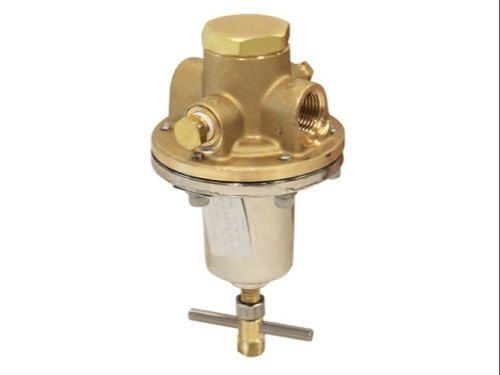
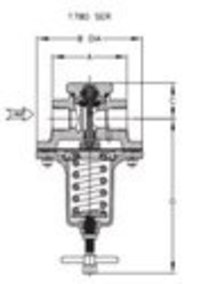
REGO Heavy-Duty Gas Line Regulator 1780 Series
275000.00 - 500000.00 INR/Piece
Product Details:
- Material High-strength zinc and aluminum alloy
- Features Inlet pressure tap, corrosion resistant finish, integral relief vent
- Valve Type Single-stage line regulator
- Connection Type Threaded FNPT
- Valve Size 3/4
- Control System Manual, spring loaded pressure adjustment
- Application Heavy-duty gas line regulation for industrial and commercial systems
- Click to View more
X
REGO Heavy-Duty Gas Line Regulator 1780 Series Price And Quantity
- 10 Unit
- 275000.00 - 500000.00 INR/Piece
REGO Heavy-Duty Gas Line Regulator 1780 Series Product Specifications
- Spring-loaded, internal sealing diaphragm
- Manual, spring loaded pressure adjustment
- Single stage regulator with standard pin fitting
- Heavy-duty die-cast body construction
- Resilient elastomer seat disc
- 3/4 FNPT inlet and outlet
- Threaded FNPT
- 3/4
- Manual, no external power required
- Gas line pressure regulator
- Inlet pressure tap, corrosion resistant finish, integral relief vent
- Single-stage line regulator
- -40F to +165F (-40C to +74C)
- N/A (manual operation)
- Heavy-duty gas line regulation for industrial and commercial systems
- High-strength zinc and aluminum alloy
- Max inlet: 250 psi, Outlet: 3.5 to 9 w.c. (adjustable)
- Horizontal or vertical position
- REGO 1780
- External pressure adjustment screw
- 1/4" FNPT
- Up to 2,400,000 BTU/hr
- Positive dead-end lock up and integral pressure relief
- Durable powder coated finish for extended service life
REGO Heavy-Duty Gas Line Regulator 1780 Series Trade Information
- 100 Unit Per Week
- 1 Week
Product Description
| Brand | REGO |
| Material | Brass |
| Usage/Application | Industrial |
| Color | Silvery White |
| Automation Grade | Manual |
Application
The 1780 Series Regulators are designed for final line pressure regulation on gas distribution systems. They are suitable for a variety of gases in medical or industrial applications. The 1780 Series Regulators have a balanced seat, are constructed with Oxygen compatible materials, and have the same valve design, brass body, and internal parts as the premium BR-1780 Series. Flow performance is equal to the BR-1780 Series.
Features
Maintains a steady downstream pressure across a range of inlet pressures commonly provided by a cryogenic bulk tank
Large seat and diaphragm areas provide high capacity with sensitive control of delivery pressure with low falloff
Two FNPT delivery pressure gauge ports are located (plugged) on each side of the valve
Two bonnet drain/vent holes to allow for different mounting orientation
T-handle adjusting screw
Maximum inlet pressure is 500 psig (34.5 barg)
Available in four delivery pressure ranges (A-D)
Temperature range: -40 F to +165 F. (-40 C to +74 C)
Cleaned for Oxygen service per CGA G-4.1
100% Factory Tested
Materials
Body ........................................................................ Forged Brass Bonnet ..................................................... Nickel Plated Aluminum Diaphragm.................................................. Nitrile with PTFE liner Springs and Fasteners .......................................... Stainless Steel
Other valve parts .................................................................. Brass
Seat Disc and O-Rings....................................... Viton is standard
For Carbon Dioxide or Nitrous Oxide service: Specify EPDM material for seat disc and O-rings, add E to end of part number.
Sturdy Construction for Lasting Performance
Manufactured with a heavy-duty die-cast body, the REGO 1780 Series regulator resists corrosion thanks to its powder-coated finish. The zinc and aluminum alloy structure ensures reliable operation in harsh industrial settings, while its spring-loaded internal diaphragm maintains secure sealing and accurate gas control.
Versatile and High-Capacity Regulation
This regulator accommodates flow capacities up to 2,400,000 BTU/hr and manages gases such as propane and natural gas. It features threaded FNPT connections and mounting versatility, suitable for both horizontal and vertical installations, adapting easily to diverse commercial applications.
Easy Maintenance and Simple Adjustment
The REGO 1780 Series is designed for straightforward installation and service. With an external pressure adjustment screw, integral relief vent, and resilient seat disc, users can easily modify outlet pressures while ensuring leak-free operation and compliance with safety standards.
FAQ's of REGO Heavy-Duty Gas Line Regulator 1780 Series:
Q: How is the REGO 1780 Series gas line regulator installed in a gas system?
A: The REGO 1780 Series regulator can be mounted horizontally or vertically using its threaded 3/4" FNPT inlet and outlet ports. Ensure the regulator is secured firmly and the vent is oriented appropriately for optimal safety and performance during installation.Q: What types of gases can the REGO 1780 regulator safely control?
A: This regulator is suitable for managing propane, natural gas, and other approved LP gases in industrial and commercial applications, meeting requirements for flow rates up to 2,400,000 BTU/hr.Q: When should the external pressure adjustment screw be used on the REGO 1780 regulator?
A: Use the external pressure adjustment screw to set or modify the outlet pressure as specified for your application, within the adjustable range of 3.5 to 9 w.c., to achieve precise gas flow and maintain safe operating conditions.Q: Where is the appropriate location to use this heavy-duty regulator?
A: This regulator is ideal for installation in industrial and commercial gas line systems that require reliable, high-capacity regulation and versatile mounting possibilities. It is commonly used in factories, large kitchens, and commercial heating systems.Q: What process ensures gas pressure safety in the REGO 1780 Series regulator?
A: The regulator's single-stage design features a spring-loaded internal diaphragm, integral pressure relief vent, and a positive dead-end lock up relief valve to maintain stable and safe gas pressure, protecting downstream equipment from overpressure situations.Q: How does the durable powder-coated finish benefit long-term usage?
A: The powder-coated finish on the regulator protects against corrosion and environmental damage, ensuring a longer service life even in demanding industrial environments where exposure to moisture or chemicals is common.Q: What maintenance is required for the REGO 1780 regulator to retain optimal performance?
A: Regularly inspect the regulator for signs of wear, proper sealing, and clear venting. Verify pressure settings remain within the desired range and check that all threaded connections are secure to prevent leaks and ensure continued safe operation.Tell us about your requirement

Price:
Quantity
Select Unit
- 50
- 100
- 200
- 250
- 500
- 1000+
Additional detail
Mobile number
Email

Other Products in 'Cryogenic Valves' category



Contact Details

- M-9, Industrial Area, Yamunanagar - 135001, Haryana, India
- Phone :08045800430
GST : 06AASFS3924K1ZO

- Mr. Vishal Gupta (Director - Global Sales & Corporate Strategy)
- Mobile :08045800430
- Send Inquiry
- Mr. Vishal Gupta(Director - Global Sales & Corporate Strategy)Mobile :+919996001800
 Send Inquiry
 Send Inquiry
 Send SMS
|


 |
SPECIAL STEEL COMPONENTS CORPORATION
All Rights Reserved.(Terms of Use) Developed and Managed by Infocom Network Private Limited. |
