- Home Page
- Company Profile
-
Our Products
- LPG/LNG Level Gauge
- Rochester Level Gauges with Local and Remote Readout
- Dip Rod type LPG Level Gauge
- Servo Level Gauges with Local and Remote Readouts
- Radar Level Gauges with Local and Remote Readouts
- Rochester Level Transmitter
- DP Level Gauges
- Magnetic Level Gauges Dip Rod type LPG Level Gauge
- Radar Gauge
- Roto Gauges
- Safety Relief Valves
- LPG Cylinders Valves
- Industrial Valves
- Pressure Transmitters
- Excess Flow Check Valves
- Coupling
- Level Gauges
- Portable LPG Tank Safety Fittings
- Auto LPG Dispensing Stations
- Pressure Relief Valves with Kalrez Seat
- Sight Flow Glass Indicators
- LNG Valves and Safety Fitting
- Cryogenic Valves
- Right Angle Relief Valves
- Short Stem Cryogenic Valves
- REGO RG Series Cryogenic Pressure Builder or Regulator
- ECL502 Series Cryogenic Economizer
- Cryogenic Valves
- Rego Relief Nozzle
- Rego MQD100 Series Cryogenic Valve
- REGO Heavy-Duty Gas Line Regulator 1780 Series
- Rego Extended Stem Retrofit Kits
- Interested in this product? Get Best Quote Rego ES8450 And TES8450 Series Extended Stem Valves, BK9450 And BK9470 Series Extended Bonnet Valves
- REGO Cryogenic Gas Relief Valves, Non-ASME 9400 Series
- REGO Cryogenic Gas Relief Valve , ASME PRV194630 And PRV29430 Series
- REGO Bulk Vessel Safety ASSE
- REGO 1784NG Gas Phase Regulator
- REGO Cryogenic 1/2" Pressure Builder PB Series
- LPG bullet Storage Tank
- Lot Valve Adapter
- LPG Valves
- Integrated Tank Management Systems
- Automobile Spare Part
- LNG Cryogenic
- REGO Stainless Steel Gate Valve for Cryogenic Service 110 Series
- REGO Stainless Steel Globe Valves for Cryogenic Service SKM Advantage Series Medium Stem
- REGO Angle Relief Valve, ASME AR4100 Series
- REGO Stainless Steel Globe Valve for Cryogenic Service 210 Series
- REGO Stainless Steel Globe Valves for Cryogenic Service SKL Advantage Series Long Stem
- REGO CryoMac 50 GPM LNG Fueling Nozzle
- Rego Lng Hoses Brass Connections CHB Series
- REGO Stainless Steel Globe Valves for Cryogenic Service SKS Advantage Series Short Stem
- Rego LNG Male Fueling Receptacle MFR50 Series
- Rego LNG Check Valves NG Series
- Rego Cryogenic Fill Manifold CF, AFM, PFM And SFM Series
- Rego LNG Vent / Fill Breakaway VFL Series
- REGO Angle Relief Valve, ASME AR5100 Series
- REGO Strainer STR000002
- REGO Stainless Steel Swing Check Valve for Cryogenic Service 886 Series
- Rego LNG Female Vent Coupler FQD10 Series
- REGO Stainless Steel Angle Globe Valves for Cryogenic Service SKA Advantage Series
- LNG Hoses Stainless Steel Connections CHS Series
- Oxygen Cylinder Regulator
- LPG/LNG Level Gauge
- Services
- Clients
- Contact Us

 Send Inquiry
- LPG/LNG Level Gauge
- Safety Relief Valves
- LPG Cylinders Valves
- Industrial Valves
- Pressure Transmitters
- Excess Flow Check Valves
- Coupling
- Level Gauges
- Portable LPG Tank Safety Fittings
- Auto LPG Dispensing Stations
- Pressure Relief Valves with Kalrez Seat
- Sight Flow Glass Indicators
- LNG Valves and Safety Fitting
- Cryogenic Valves
- LPG bullet Storage Tank
- Lot Valve Adapter
- LPG Valves
- Integrated Tank Management Systems
- Automobile Spare Part
- LNG Cryogenic
- Oxygen Cylinder Regulator
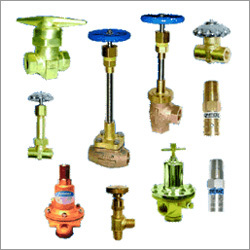
Cryogenic Valves
Product Details:
- Connection Type Flanged, Butt Weld, Socket Weld, Threaded
- Material Stainless Steel, Brass, Bronze, Cast Steel, Alloy Steel
- Valve Size 1/2 Inch to 24 Inch
- Features Extended Stem Design, Anti-static Device, Fire Safe Design, Blow-out Proof Stem, Low Emission, Bubble Tight Shutoff
- Valve Type Gate, Globe, Check, Ball, Butterfly
- Control System Manual, Electric Actuator, Pneumatic Actuator
- Sealing PTFE, Graphite, Metal to Metal
- Click to View more
X
Cryogenic Valves Price And Quantity
- 1 Unit
Cryogenic Valves Product Specifications
- Stainless Steel / Alloy Disc
- Up to 24 Inch
- Manual, Pneumatic, Electric
- Flanged, Butt Weld, Socket Weld, Threaded
- Stainless Steel, Brass, Bronze, Cast Steel, Alloy Steel
- Up to 50 Bar
- Cryogenic Valves
- Stainless Steel Pin
- -196C to +80C
- PTFE, Graphite, Metal to Metal
- Extended Stem Design, Anti-static Device, Fire Safe Design, Blow-out Proof Stem, Low Emission, Bubble Tight Shutoff
- Globe, Gate, Check, and Ball type configurations
- 1/2 Inch to 24 Inch
- 24V DC, 220V AC (For actuated valves)
- Manual, Electric Actuator, Pneumatic Actuator
- Liquefied, Non-Liquefied and Gaseous Cryogenic Media
- Cryogenic services for storage and transportation of liquefied gases such as LNG, LPG, oxygen, nitrogen, argon, and hydrogen.
- Gate, Globe, Check, Ball, Butterfly
- Vertical and Horizontal
- ANSI, DIN, JIS, BS
- BS 6364, MSS SP-134, API 600, ASME B16.34
- API 598, BS EN 12266
- Bidirectional, Unidirectional
- PTFE, Graphite, Spring-Loaded
- Soft and Metal Seated
- CE, ISO 9001:2015, PED approved
- Designed for applications down to -196C
- Class VI, Bubble Tight
- Mirror Polish, Sand Blast
- Lever, Gear, Handwheel, Actuator
- Standard and Customizable (up to 1000 mm)
Cryogenic Valves Trade Information
- 100 Unit Per Day
- 1 Week
Product Description
Cryogenic valves are used in cold applications. This valve is so efficient that it will work even in extremely low temperatures and roughest environment. This products is consistent and possess high flow capacity, energy efficiency and long service life. This product is matchless in terms of reliability, stability and safety. This valve has a wide usage in separation plants, liquid natural gas storage, distribution & transportation, aerospace, organic compounds and medical industries. This valves is designed to give best performance and unbeatable functioning. We have designed this valve with great precaution and care. Also, we serve tested products to our respected customers in affordable prices.
Product details
| Gas | LPG |
| Pressure | 35 Bar |
| Regulator Type | Clip on Regulator |
| Material | Brass |
| Usage/Application | Industrial |
| Rated Flow | 0.4 |
| Automation Grade | Semi-Automatic |
| Finishing Type | Polished |
| Country of Origin | Made in India |
Comprehensive Standards Compliance
Designed and manufactured according to leading international standardssuch as BS 6364, MSS SP-134, API 600, and ASME B16.34these cryogenic valves ensure reliability and consistent quality. Each valve is rigorously tested, achieving API 598 and BS EN 12266 certification, and further guaranteed by CE, ISO 9001:2015, and PED approval. This ensures regulatory compliance across global markets for safe and efficient operation.
Robust Performance in Extreme Temperatures
Built to perform reliably in environments as cold as -196C and up to +80C, these valves use premium materials like stainless steel, brass, bronze, and alloy steels. Extended stem designs, spring-loaded PTFE or graphite packing, and bubble-tight shutoff enable sustained operation in low-temperature storage and transport of liquefied gases. Mounting orientation is flexible for both vertical and horizontal installations.
Versatile Applications and Customization
With options for gate, globe, check, ball, and butterfly types, these valves suit numerous cryogenic applications, including the storage, transport, and management of industrial gases. Customizable stem extension lengths, multiple handle types, flanged and welded connections, and actuation systems (manual, electric, pneumatic) make them adaptable for varied industries and installation requirements.
FAQs of Cryogenic Valves:
Q: How do cryogenic valves maintain tight shutoff at extremely low temperatures?
A: Cryogenic valves are equipped with bubble-tight sealing (Class VI) and high-quality PTFE, graphite, or metal-to-metal seat materials. These materials retain their integrity even at temperatures as low as -196C, ensuring leak-proof operation for handling liquefied and gaseous media.Q: What is the process for selecting the appropriate cryogenic valve for an application?
A: The selection process involves evaluating the operating temperature range, media type (liquefied or gaseous), pressure requirements (up to 50 bar), desired body finish, end connection standard (ANSI, DIN, JIS, BS), actuator type, and flow direction. Assessing these factors ensures optimal compatibility and performance for your application.Q: Where can these cryogenic valves be installed, and in what orientations?
A: These valves are designed for both storage and transportation systems of liquefied gases like LNG, LPG, and industrial gases. Installation is flexible, supporting both vertical and horizontal mounting positions, catering to the layout needs of diverse facilities.Q: When is it necessary to opt for a custom stem extension on cryogenic valves?
A: Custom stem extensions, available up to 1000 mm, are required when insulation thickness or safety protocols demand operator controls be positioned safely outside cold zonescommon in large storage tanks or where operator accessibility and freeze protection are crucial.Q: What advantages do approved certifications provide for cryogenic valves?
A: Certifications such as CE, PED, and ISO 9001:2015 affirm that the valves meet international safety, quality, and compliance standards. This ensures peace of mind for end-users, reputable acceptance in global markets, and reduced risk in critical operations.Q: How are flow directions managed using these valves?
A: These cryogenic valves are engineered for both bidirectional and unidirectional flow, with clear designations for each. This flexibility allows precise control of the medias movement in various system configurations.Q: What are the benefits of features like fire-safe design and anti-static devices in these valves?
A: Features such as fire-safe design, anti-static devices, and blow-out proof stems enhance operational safety, especially in hazardous environments. They minimize the risk of ignitions, leaks, and stem ejection, providing reliable and safe valve usage for critical cryogenic applications.Tell us about your requirement

Price:
Quantity
Select Unit
- 50
- 100
- 200
- 250
- 500
- 1000+
Additional detail
Mobile number
Email

Other Products in 'Cryogenic Valves' category



Contact Details

- M-9, Industrial Area, Yamunanagar - 135001, Haryana, India
- Phone :08045800430
GST : 06AASFS3924K1ZO

- Mr. Vishal Gupta (Director - Global Sales & Corporate Strategy)
- Mobile :08045800430
- Send Inquiry
- Mr. Vishal Gupta(Director - Global Sales & Corporate Strategy)Mobile :+919996001800
 Send Inquiry
 Send Inquiry
 Send SMS
|


 |
SPECIAL STEEL COMPONENTS CORPORATION
All Rights Reserved.(Terms of Use) Developed and Managed by Infocom Network Private Limited. |
