- Home Page
- Company Profile
-
Our Products
- LPG/LNG Level Gauge
- Rochester Level Gauges with Local and Remote Readout
- Dip Rod type LPG Level Gauge
- Servo Level Gauges with Local and Remote Readouts
- Radar Level Gauges with Local and Remote Readouts
- Rochester Level Transmitter
- DP Level Gauges
- Magnetic Level Gauges Dip Rod type LPG Level Gauge
- Radar Gauge
- Roto Gauges
- Safety Relief Valves
- LPG Cylinders Valves
- Industrial Valves
- Pressure Transmitters
- Excess Flow Check Valves
- Coupling
- Level Gauges
- Portable LPG Tank Safety Fittings
- Auto LPG Dispensing Stations
- Pressure Relief Valves with Kalrez Seat
- Sight Flow Glass Indicators
- LNG Valves and Safety Fitting
- Cryogenic Valves
- Right Angle Relief Valves
- Short Stem Cryogenic Valves
- REGO RG Series Cryogenic Pressure Builder or Regulator
- ECL502 Series Cryogenic Economizer
- Cryogenic Valves
- Rego Relief Nozzle
- Rego MQD100 Series Cryogenic Valve
- REGO Heavy-Duty Gas Line Regulator 1780 Series
- Rego Extended Stem Retrofit Kits
- Interested in this product? Get Best Quote Rego ES8450 And TES8450 Series Extended Stem Valves, BK9450 And BK9470 Series Extended Bonnet Valves
- REGO Cryogenic Gas Relief Valves, Non-ASME 9400 Series
- REGO Cryogenic Gas Relief Valve , ASME PRV194630 And PRV29430 Series
- REGO Bulk Vessel Safety ASSE
- REGO 1784NG Gas Phase Regulator
- REGO Cryogenic 1/2" Pressure Builder PB Series
- LPG bullet Storage Tank
- Lot Valve Adapter
- LPG Valves
- Integrated Tank Management Systems
- Automobile Spare Part
- LNG Cryogenic
- REGO Stainless Steel Gate Valve for Cryogenic Service 110 Series
- REGO Stainless Steel Globe Valves for Cryogenic Service SKM Advantage Series Medium Stem
- REGO Angle Relief Valve, ASME AR4100 Series
- REGO Stainless Steel Globe Valve for Cryogenic Service 210 Series
- REGO Stainless Steel Globe Valves for Cryogenic Service SKL Advantage Series Long Stem
- REGO CryoMac 50 GPM LNG Fueling Nozzle
- Rego Lng Hoses Brass Connections CHB Series
- REGO Stainless Steel Globe Valves for Cryogenic Service SKS Advantage Series Short Stem
- Rego LNG Male Fueling Receptacle MFR50 Series
- Rego LNG Check Valves NG Series
- Rego Cryogenic Fill Manifold CF, AFM, PFM And SFM Series
- Rego LNG Vent / Fill Breakaway VFL Series
- REGO Angle Relief Valve, ASME AR5100 Series
- REGO Strainer STR000002
- REGO Stainless Steel Swing Check Valve for Cryogenic Service 886 Series
- Rego LNG Female Vent Coupler FQD10 Series
- REGO Stainless Steel Angle Globe Valves for Cryogenic Service SKA Advantage Series
- LNG Hoses Stainless Steel Connections CHS Series
- Oxygen Cylinder Regulator
- LPG/LNG Level Gauge
- Services
- Clients
- Contact Us

 Send Inquiry
- LPG/LNG Level Gauge
- Safety Relief Valves
- LPG Cylinders Valves
- Industrial Valves
- Pressure Transmitters
- Excess Flow Check Valves
- Coupling
- Level Gauges
- Portable LPG Tank Safety Fittings
- Auto LPG Dispensing Stations
- Pressure Relief Valves with Kalrez Seat
- Sight Flow Glass Indicators
- LNG Valves and Safety Fitting
- Cryogenic Valves
- LPG bullet Storage Tank
- Lot Valve Adapter
- LPG Valves
- Integrated Tank Management Systems
- Automobile Spare Part
- LNG Cryogenic
- Oxygen Cylinder Regulator
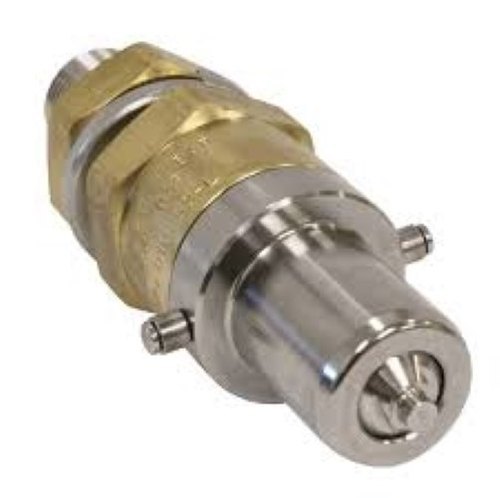
Rego MQD100 Series Cryogenic Valve
275000.00 - 500000.00 INR/Piece
Product Details:
- Connection Type Threaded (NPT)
- Valve Type Manual Globe Valve
- Valve Size 1/4 to 1-1/2 NPT
- Material Bronze or Brass Body, Stainless Steel Trim
- Features Bubble-tight shutoff, Non-rising stem, Extended bonnet for insulation, Serviceable packing
- Control System Manual Handwheel
- Sealing PTFE/Soft Seat
- Click to View more
X
Rego MQD100 Series Cryogenic Valve Price And Quantity
- 275000.00 - 500000.00 INR/Piece
- 10 , , Unit
Rego MQD100 Series Cryogenic Valve Product Specifications
- Bubble-tight shutoff, Non-rising stem, Extended bonnet for insulation, Serviceable packing
- Cryogenic Liquids, Gases
- Manual Handwheel
- Max Working Pressure: 600 psig (41.4 bar)
- Cryogenic liquid service, LNG, Liquid Oxygen, Nitrogen, Argon, Carbon Dioxide
- 1/4 to 1-1/2 (6mm to 38mm)
- PTFE/Soft Seat
- Threaded (NPT)
- Stainless Steel with PTFE Insert
- -320F to +165F (-196C to +74C)
- Globe Valve
- Bronze or Brass Body, Stainless Steel Trim
- Cryogenic Globe Valve
- Manual Globe Valve
- Manual Operation
- 1/4 to 1-1/2 NPT
- Nickel-plated for corrosion resistance
- Aluminum Handwheel
- Threaded NPT (Female), BSPP available on request
- Any position
- From 0.36 to 5.6 depending on valve size
- Stainless Steel
- Adjustable PTFE V-ring
- Meets CGA & ASME requirements
- Extended bonnet for cryogenic insulation
- Designed for long service life in cryogenic applications
Rego MQD100 Series Cryogenic Valve Trade Information
- 100 , , Unit Per Week
- 1 Week
Product Description
| Material | Stainless Steel |
| Brand | REGO |
| Usage/Application | LNG Vehicle Tank |
| Model Name/Number | MQD100 Series |
Application
For venting excess pressure in LNG vehicle tanks.
Engineered for easy connection / disconnection with quick disconnect vent couplers.
Features
Designed for durability and long lasting performance
Materials selected specifically for compatibility with LNG
PTFE seat provides positive shut off at cryogenic temperatures
Temperature range: -325F(-198C) to +150F(+65C)
100% factory tested
Max fueling pressure: 300 psig (20.7 barg)
Max system pressure: 550 psig (38 barg)
Designed in accordance with & approved by ECE R110
Materials
Inlet body....................................................................Stainless Steel Body ..........................................................................Stainless Steel Seat .........................................................................................PTFE Spring ........................................................................Stainless Steel Cap (optional).............................................................................Viny
Superior Cryogenic Insulation
Featuring an extended bonnet, the MQD100 Series is meticulously engineered to minimize thermal loss and ice formation, ensuring optimal insulation during cryogenic service. This design maintains the integrity of media at extremely low temperatures, preserving efficiency and safety in critical liquid and gas flow applications.
Reliable and Durable Construction
Built with a nickel-plated bronze or brass body and stainless steel trim, the valve offers exceptional corrosion resistance and longevity. The adjustable PTFE V-ring packing and soft PTFE seat enhance its sealing performance, providing a bubble-tight shutoff and consistent reliability throughout its extended service life.
Flexible Installation and Usage
The valve's non-rising stem and manual, aluminum handwheel control allow smooth operation in any mounting position. Threaded NPT connections, with optional BSPP, ensure compatibility with varied pipeline systems, making it ideal for distributors, manufacturers, and suppliers involved in cryogenic processes.
FAQ's of Rego MQD100 Series Cryogenic Valve:
Q: How does the extended bonnet design benefit cryogenic applications?
A: The extended bonnet insulates the stem and packing area, significantly reducing heat ingress. This minimizes the risk of ice forming and maintains the integrity of cryogenic liquids and gases during operation, enhancing safety and valve performance in ultra-low temperature environments.Q: What is the maximum working pressure and temperature range for the MQD100 Series valve?
A: The valve is designed to handle up to 600 psig (41.4 bar) and can operate within a temperature range from -320F to +165F (-196C to +74C), making it suitable for a broad spectrum of cryogenic media.Q: When should the adjustable PTFE V-ring packing be serviced or maintained?
A: The adjustable PTFE V-ring packing should be inspected periodically for signs of wear or leakage, especially after extended use in demanding cryogenic conditions. Regular maintenance ensures consistent bubble-tight sealing and prolongs the valve's lifespan.Q: Where can the Rego MQD100 Series cryogenic valve be installed?
A: Thanks to its versatile design, the valve can be mounted in any position. Its threaded NPT end connections accommodate various piping layouts, making it suitable for installation in industrial cryogenic storage, transport systems, and processing plants.Q: What process is required to change from NPT to BSPP end connections?
A: To obtain BSPP end connections instead of standard NPT threads, indicate this requirement during ordering with your supplier. The manufacturer then provides the valve with BSPP threading, ensuring seamless integration into British Standard piping systems.Q: How is manual operation achieved and what are the advantages?
A: Manual operation is facilitated by the robust aluminum handwheel, allowing precise control over flow. Manual actuation ensures simple, reliable valve performance even in environments where automated systems might be prohibitive, such as remote or hazardous settings.Q: What benefits does nickel-plating provide to the valve body?
A: Nickel-plating greatly enhances the valve's resistance to corrosion, especially important in cryogenic and wet environments. This finish extends the valve's usable life and maintains its performance even after prolonged exposure to cold media and challenging conditions.Tell us about your requirement

Price:
Quantity
Select Unit
- 50
- 100
- 200
- 250
- 500
- 1000+
Additional detail
Mobile number
Email

Other Products in 'Cryogenic Valves' category



Contact Details

- M-9, Industrial Area, Yamunanagar - 135001, Haryana, India
- Phone :08045800430
GST : 06AASFS3924K1ZO

- Mr. Vishal Gupta (Director - Global Sales & Corporate Strategy)
- Mobile :08045800430
- Send Inquiry
- Mr. Vishal Gupta(Director - Global Sales & Corporate Strategy)Mobile :+919996001800
 Send Inquiry
 Send Inquiry
 Send SMS
 Call Me Free
|


 |
SPECIAL STEEL COMPONENTS CORPORATION
All Rights Reserved.(Terms of Use) Developed and Managed by Infocom Network Private Limited. |
